Currently Empty: د.م.0.00

The Complete Guide to 9mm Ammo for Range Days and Self-Defense
9mm ammo is the friendly, reliable workhorse of the shooting world, packing a perfect balance of manageable recoil and solid stopping power. Each cartridge fires a 9mm bullet through a precisely measured powder charge, ignited by the primer to send the projectile down the barrel with consistent velocity. Its slim, rimless design feeds smoothly into nearly any semi-automatic pistol, making it a top choice for target practice, home defense, and competition alike. Simply load it into a compatible magazine, rack the slide, and you’re ready to send rounds downrange with easy accuracy.
What Exactly Makes 9mm Luger the Most Popular Handgun Cartridge?
The 9mm Luger’s reign starts with a simple, brutal equation of physics and ergonomics. A shooter can hold a double-stack magazine of 15 or 17 rounds of 9mm ammo in a grip that doesn’t feel like a brick, and still manage fast, accurate follow-up shots because the recoil stays sharp but manageable. That same cartridge delivers enough velocity and bullet weight to penetrate deeply and expand reliably, which is why it’s the standard for concealed carry and home defense. Meanwhile, the case taper feeds flawlessly in nearly every modern pistol, from subcompacts to race guns. The versatility of 9mm Luger ammo is unmatched—you can train with cheap ball rounds, then switch to premium hollow points for duty, and your firearm cycles both without hiccups. That blend of capacity, control, and terminal performance creates a feedback loop: more shooters choose it, so more guns are built for it, which makes the 9mm Luger cartridge’s popularity self-perpetuating. It simply works where it matters—in your hands, on the range, and in a crisis.
Breaking Down the 9mm Bullet: Diameter, Case Length, and Pressure Ratings
The 9mm Luger’s dominance starts with its precise physical specs: a true bullet diameter of .355 inches paired with a short, tapered case length of 19.15 millimeters. This compact design allows for reliable feeding in double-stack magazines without compromising grip ergonomics. Pressure is the critical variable—standard loads operate at a maximum of 35,000 psi per SAAMI, while +P ammunition pushes to 38,500 psi, yielding higher velocity without exceeding safe chamber limits. These figures aren’t arbitrary; they balance kinetic energy delivery with recoil management, making the round effective for defensive use. Understanding 9mm pressure limits and case dimensions ensures you select ammunition that cycles flawlessly and avoids accelerated firearm wear.
9mm vs. 9mm Luger vs. 9×19: Are They the Same Round?
The terms 9mm, 9mm Luger, and 9×19 refer to the exact same cartridge, with 9×19 being the metric designation for the case dimensions (9mm bullet diameter, 19mm case length). « Luger » is the historical name tied to Georg Luger’s design, while « 9mm » alone is a generic shorthand that can cause confusion—it might mean 9×18 Makarov or 9×21, which are not interchangeable. For practical purposes, if a box says 9mm Luger or 9×19, it is the same round, and you can safely use it in any handgun chambered for 9mm Parabellum. Always verify the headstamp or packaging to avoid accidental mismatches, because 9×19 dimensions are the industry standard for this popular .35 Remington Ammo for Sale load.
9mm, 9mm Luger, and 9×19 are identical cartridges; only the naming convention differs, so they are fully interchangeable in firearms marked for 9mm Luger or 9×19.

How the 9mm Cartridge Works Inside a Semi-Automatic Pistol
When you squeeze the trigger, the 9mm cartridge’s controlled explosion drives the slide rearward, extracting the spent case while the recoil spring compresses. As the slide returns, it strips a fresh round from the magazine and seats it into the chamber, locking the breech. The 9mm’s relatively short case and high-pressure load—around 35,000 psi—deliver enough gas to cycle the action reliably without excessive muzzle flip, keeping the pistol flat and fast for follow-up shots. This timing of pressure, slide mass, and spring tension is why the 9mm functions flawlessly in staggered or single-stack magazines, making it a seamless, self-correcting system for defensive shooting.
Choosing the Right 9mm Load for Your Shooting Goal
Selecting the right 9mm load hinges entirely on your intended application, not on what others shoot. For concealed carry, choose a jacketed hollow point with proven expansion and reliable penetration, such as a 124-grain +P bonded round; target shooting demands cheaper, lighter full metal jacket loads like 115-grain, prioritizing consistent cycling over stopping power. Match your bullet weight to your firearm’s recoil spring for flawless function, as a too-light load in a competition pistol can cause stovepipes, while stout defensive loads in a subcompact create excessive muzzle flip. Q: Should I train with the same carry ammo? A: Yes, run at least 50 rounds of your defensive load to verify zero and cycling, but practice volume with cheaper FMJ to save money without compromising grip mechanics. Ultimately, your load must serve the distance, target type, and urgency of your specific session.
Full Metal Jacket vs. Jacketed Hollow Point: Which Bullet Type to Pick
When choosing between full metal jacket (FMJ) and jacketed hollow point (JHP) for your 9mm, your primary goal dictates the pick. FMJ rounds feature a solid copper jacket over a lead core, offering reliable feeding and deep penetration—ideal for range practice and competition where barrier over-penetration isn’t a concern. JHPs have a hollowed nose that expands upon impact, transferring energy and reducing pass-through risk, making them the standard for defensive loads. For self-defense, **jacketed hollow points deliver superior stopping power** due to controlled expansion. Conversely, FMJs are cheaper and better for high-volume training. Never use FMJs for carry; their lack of expansion can over-penetrate and endanger bystanders.
Q: Which bullet type should I pick for everyday carry?
A: Choose jacketed hollow points—their expansion maximizes tissue damage while minimizing the risk of exiting a threat.
Understanding Grain Weight: 115, 124, or 147 Grain for Range vs. Defense
Choosing between 115, 124, and 147 grain bullets hinges on your primary goal. For the range, lighter 115-grain loads produce less felt recoil and a snappier impulse, aiding in quick follow-up shots and making them ideal for high-volume practice. Self-defense loads for 9mm ammo often favor 124-grain or 147-grain options, as their heavier mass typically offers deeper penetration and better barrier performance. The 124-grain weight serves as a versatile midpoint, balancing recoil and terminal effect. Subsonic 147-grain ammunition is preferred for suppressed use because it avoids the crack of breaking the sound barrier. Ultimately, test your chosen weight for reliable feeding and acceptable accuracy in your specific firearm.
| Grain Weight | Range Use | Defense Use |
|---|---|---|
| 115 | Lowest recoil, cheap practice | Shallower penetration, higher velocity |
| 124 | Good balance, standard NATO feel | Reliable expansion, solid penetration |
| 147 | Soft push, often subsonic | Deep penetration, best with suppressors |
Standard Pressure vs. +P Loads: What Extra Power Does and Doesn’t Give You
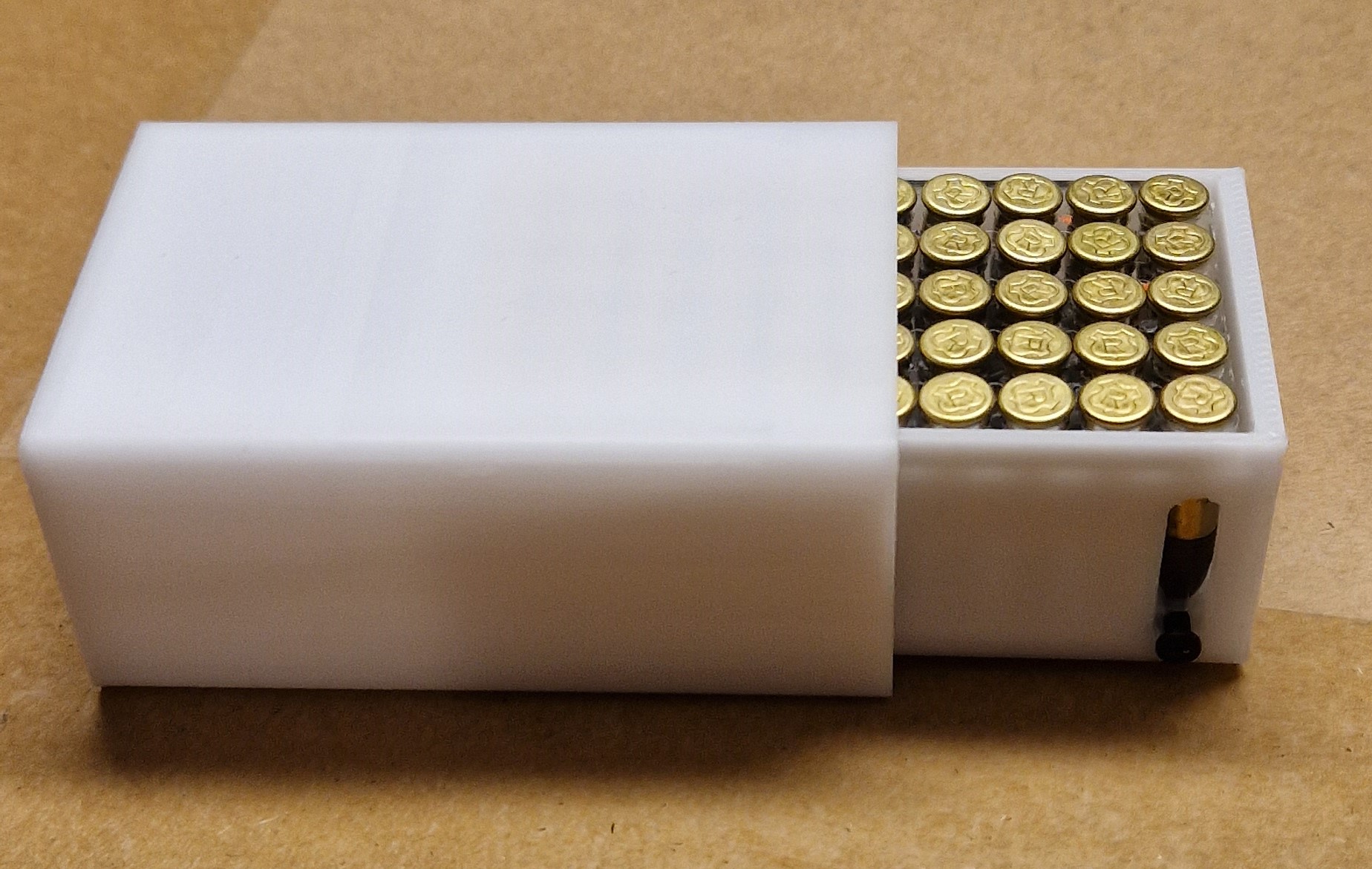
Standard-pressure 9mm runs around 35,000 psi, while +P loads push closer to 38,500 psi—that extra oomph mainly buys you a bit more velocity and energy, which can help with barrier penetration or feeding finicky slides. But here’s the trade-off: +P loads don’t magically turn a 9mm into a magnum; you’re getting maybe 50–100 fps more, not a dramatic jump. What +P *doesn’t* give you is better accuracy—often the opposite, as recoil increases and your sight picture dips harder. For range practice or steel challenge, stick to standard pressure; you’ll save your wrists and your gun’s springs. Reserve +P for defensive carry .32 ACP Ammo for Sale or if your manual explicitly says it’s safe. Key points to remember:
– Standard pressure is easier to control and cheaper to shoot.
– +P adds minor velocity, not miracle stopping power.
– Check your firearm’s specs—older guns may not handle +P safely.
Practical Buying Tips for Your First 9mm Ammo Purchase
Start with the bullet weight that matches your firearm’s purpose: 115-grain FMJ for range practice, 124-grain for recoil feel closer to defensive loads, and 147-grain for suppressed shooting. Buy a single box of each and test for reliable feeding and point-of-impact before committing to a case. Check the primer type—brass cases with boxer primers are reloadable, while steel or aluminum cases are fine for plinking but harder https://specialtysportsandsupplyltd.com/ on extractors. Always inspect the cartridge length (SAAMI spec is 1.169 inches) and avoid loose bullets or cracked necks. Q: Should I buy remanufactured ammo for my first purchase? A: No—stick with new production until you know your gun’s tolerance, then try reman in small batches. Compare price per round, not box price, and skip the cheapest unknown brands until you’ve verified zero failures.
How to Read a 9mm Box: Velocity, Energy, and Primer Type Explained
To read a 9mm box accurately, check **velocity** (feet per second) and **energy** (foot-pounds), as both define felt recoil and terminal performance. Lower-velocity loads (around 950–1,100 fps) are softer for practice, while +P rounds exceed standard pressure for defensive use. Energy, calculated from bullet weight and speed, tells you stopping power—about 300–400 ft-lbs is typical for 9mm. Primer type matters less for function but indicates sensitivity: boxer-primed brass cases are reloadable, while berdan-primed (often steel or aluminum) are not.
- Locate the muzzle velocity and compare it to your barrel length.
- Check energy ratings to match your intended use.
- Verify the primer type if you plan to reload.
Ignoring these three metrics risks buying ammo that underperforms or damages your 6.5×55 Swedish Ammo for Sale firearm.
Brass, Steel, or Aluminum Casings: What the Shell Material Means for Your Gun
Brass casings are the most reliable choice for your first 9mm purchase because they expand and seal the chamber consistently, reducing the risk of gas blowback and feeding issues. Steel cases, while cheaper, use a polymer coating that can stick in tight chambers after rapid fire, and their harder metal accelerates extractor wear. Aluminum casings sit in between: they are lightweight and corrosion-resistant but lack the flexibility of brass, so they may .338 Lapua Ammo for Sale fail to resize for reloading and can show pressure signs sooner. For a new shooter, brass is the safest benchmark for diagnosing your gun’s functioning. Case material directly influences extraction force and chamber friction, so test a small box of steel before bulk buying.
Q: Will steel casings damage my 9mm’s extractor faster than brass?
A: Yes—steel’s hardness and lack of lubricity put extra stress on the extractor and ejector, leading to premature wear compared to brass, especially in tight-tolerance pistols.
How Much 9mm to Stock Up On for Practice and Home Protection
For most shooters, stocking 1,000 rounds of 9mm for practice is the sweet spot—enough to build muscle memory without breaking your budget. For home protection, keep a separate stash of 200 rounds of quality defensive ammunition, like hollow points, dedicated solely for your firearm. A practical sequence:
- Start with 500 rounds of cheap FMJ to break in the gun and confirm reliability.
- Add 1,000 rounds of practice ammo to rotate through monthly—shoot the oldest first.
- Reserve 200 defensive rounds, function-testing 50 of them to ensure cycling.
- Replenish practice stock when you hit 300 rounds left, and defensive stock when you dip below 100.
This keeps your training pipeline active while ensuring your protection ammo is always fresh and proven in your specific pistol.
Getting the Best Performance From Your 9mm Rounds
To squeeze every ounce of accuracy from your 9mm ammo, stop treating it like a generic consumable. Match the bullet’s weight and profile to your barrel’s twist rate—a 115-grain round spins differently than a 147-grain subsonic, and your pistol tells the truth at the target. Run a box of each through a rested group test at 15 yards, recording the tightest clusters. Consistency in your grip and trigger press is the true amplifier, because even premium 9mm ammo will scatter if you flinch or choke the frame. Also, check your recoil spring: a worn one sabotages slide velocity, causing stovepipes or weak ejection that kills follow-up speed.
Chronograph your lot; a variance over 30 fps between rounds ruins point-of-impact stability.
Finally, store your 9mm ammo in a sealed ammo can with desiccant—moisture-damaged primers are Ammunition for Sale the silent killer of terminal performance.
Proper Storage for 9mm Cartridges to Keep Them Reliable for Years
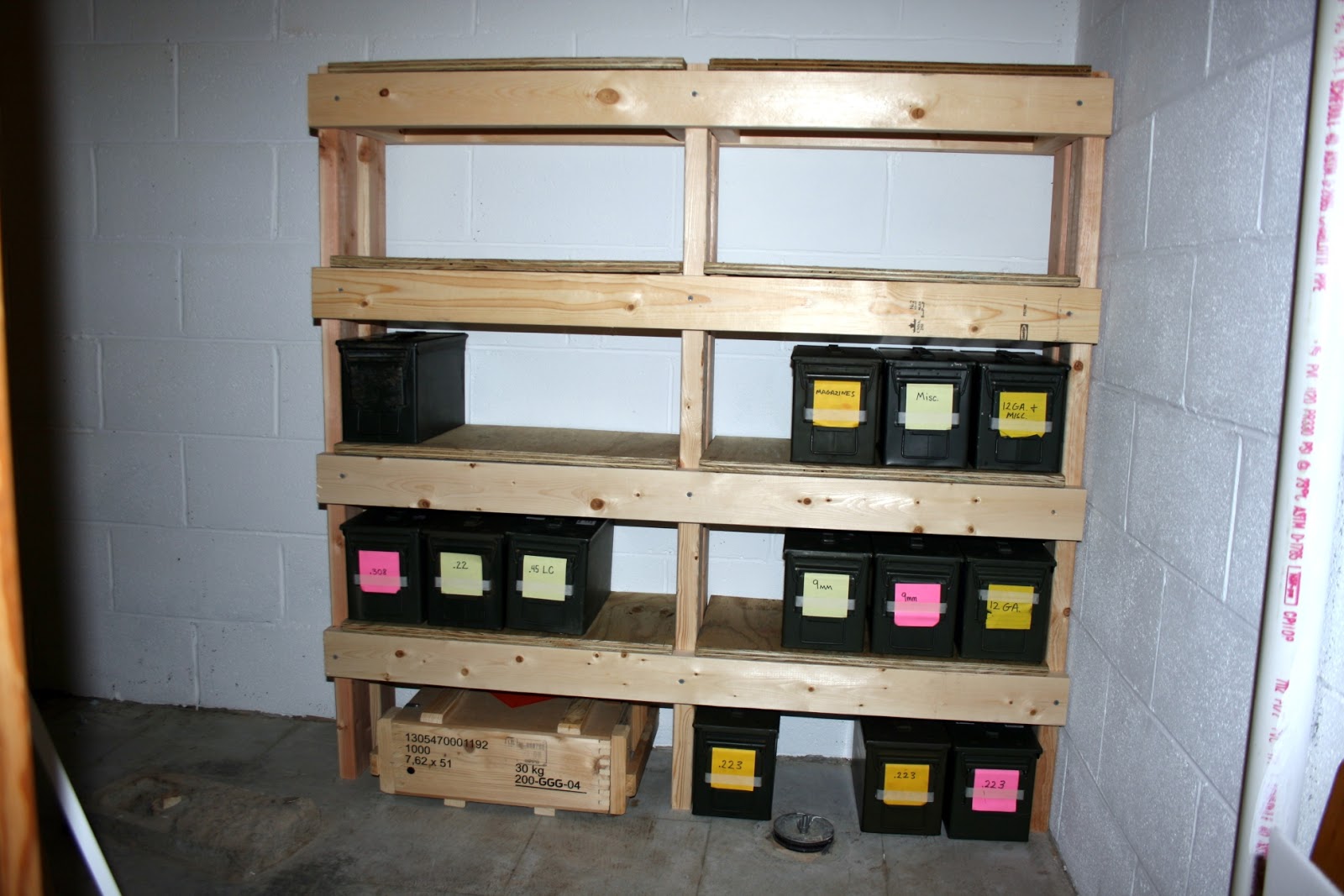
Keeping your 9mm cartridges reliable for years comes down to a few simple habits. First, store ammunition in a cool, dry place—think a closet or interior room, never a hot garage or damp basement. .32 Win Special Ammo for Sale Temperature swings cause condensation, which is the enemy of primers and powder. Use the original factory boxes or a dedicated ammo can with a rubber gasket, throwing in a desiccant packet to absorb moisture. Avoid storing loose rounds where they can rattle and get dinged. Check on them once a year, rotating older stock to the front for practice. With this easy routine, your 9mm ammo will burn clean and ignite reliably for decades.
How to Spot a Misfire or Squib Load and What to Do Next
A misfire means you hear a click instead of a bang, so keep the muzzle pointed downrange for a full 30 seconds before ejecting the round. A squib load is trickier: you’ll feel a weak recoil, hear a dull *pop* rather than a crack, and sometimes see smoke or debris at the ejection port. The biggest red flag is a bullet stuck in the barrel, which can cause the next round to 6.5x57R Ammo for Sale fire into the obstruction and ruin your gun. Always stop shooting immediately if something feels off. If you suspect a squib, lock the slide back, visually check the bore from the breech, and clear any obstruction with a rod before resuming. Here’s the quick sequence:
- Stop firing and keep the pistol pointed safely.
- Drop the magazine and clear the chamber.
- Inspect the barrel for a bullet or a dark gap.
- If blocked, push it out with a cleaning rod; if stuck, visit a gunsmith.
Never just rack the slide and keep shooting—that’s how a squib becomes a kaboom.
Cleaning Your Pistol After Shooting 9mm: Lead, Copper, and Powder Residue
Consistent maintenance directly impacts how your 9mm performs round after round. Cleaning your pistol after shooting 9mm removes lead particles from jacketed or plated bullets that can shave off in the rifling, plus stubborn copper fouling and carbonized powder residue that accumulates in the chamber and feed ramp. Left unchecked, this gritty film can cause failures to return to battery or erratic ejection. Use a solvent specifically formulated for copper, then a lead-removal cloth for the bore’s throat. Even a light coating of powder residue in the locking block can slow slide velocity and alter your point of impact. Finish with a dry patch and a thin oil film on rails only.
Q: How often should I clean after firing 9mm to prevent lead and copper buildup?
A: Clean within 24 hours after every range session, or at minimum after every 100 rounds, to prevent baked-on carbon and copper from hardening into deposits that require aggressive scrubbing.
Common Problems Shooters Face With 9mm Ammo
Shooters frequently encounter failure to feed and failure to eject with 9mm ammo, often caused by weak recoil springs or limp-wristing. 9mm ammo with a flat-nose or hollow-point profile can snag on feed ramps, especially in compact pistols. Another common issue is primer ignition problems, where hard primers in budget surplus loads fail to fire on the first strike—an issue compounded by light striker springs. Short-stroking the slide is also prevalent, particularly with lower-powered 115-grain loads that under-cycle the action. Additionally, over-insertion of the magazine during a reload can cause the 9mm round to tilt upward, creating a frustrating double-feed jam. Using the correct bullet weight and maintaining a firm 6.5x57mm Mauser Ammo for Sale grip resolves most of these operational failures.
Why Your Gun Jams With Certain 9mm Brands and How to Avoid It
Certain 9mm brands jam because of variations in case dimensions, bullet profile, and propellant pressure curves. A barrel with a tight chamber or short feed ramp will choke on ammunition with a longer overall length or a blunt-nosed bullet, while underpowered loads fail to cycle the slide fully. To avoid this, test multiple 9mm brands 6.8 SPC Ammo for Sale before committing to a defensive load; buy small boxes and run at least 200 rounds per brand through your specific gun. Also, check your recoil spring weight—lighter springs often struggle with weaker loads. *Clean and lightly lubricate the feed ramp, since carbon buildup exaggerates brand-specific tolerances.* If a jam persists, measure the cartridge’s overall length against your magazine’s internal dimensions. Stick with one proven brand for carry, and reserve cheaper bulk ammo for range sessions only.
What to Do When 9mm Ammo Is Too Weak or Too Snappy for Your Grip
If 9mm feels like a limp squib, your slide likely isn’t cycling reliably; step up to a **hotter defensive load** with a faster burn rate to ensure positive ejection and chambering. Conversely, if the round snaps your wrist, soften your grip tension slightly and install a heavier recoil spring to tame muzzle flip, then retest your follow-up shot speed. Just as importantly, swap to a higher-friction grip tape or stippled frame—this lets you hold firm without white-knuckling, which amplifies perceived recoil. Recoil mitigation always starts with grip mechanics, not gear substitutions. Tuning your recoil spring weight is the fastest fix for a snappy impulse.
Q: Should I change ammo or my grip first when 9mm feels too snappy?
A: Change your grip first—loosen your support-hand pressure and lock your wrists—because that costs nothing. Only then test a heavier recoil spring; if the snap persists, move to a lower-pressure 9mm load to preserve accuracy.
Finding the Most Accurate 9mm Load for Your Specific Handgun
Finding the most accurate 9mm load for your specific handgun demands a systematic test, not guesswork. Start by selecting three to five factory loads with different bullet weights—115, 124, and 147 grain—and varying profiles like flat-nose or hollow-point. Fire from a rested position at a consistent distance, typically 25 yards, to isolate the firearm’s preference. Matching bullet weight to your barrel’s twist rate is critical, as faster twists often stabilize heavier rounds. Record group sizes meticulously; the winner is the tightest cluster, not the loudest report. This process reveals that barrel harmonics and chamber tolerances dictate accuracy, proving your gun’s unique appetite. Test in multiple sessions to confirm consistency, then stock that batch for match-grade performance.